Businesses worldwide have been struggling to stay up-to-date with integrations to provide their customers with all currently available payment methods. With the increase in fraud and the cost of payment processing, integrating dozens of payment methods within one platform has been a challenge for companies of all sizes. Today, consumers and merchants continue to face low approval rates, lengthy and fragmented processes, and poor fraud management. But what if we could have an all-in-one solution that connects all available payment methods with a single integration?
What's happening with payments in LATAM?
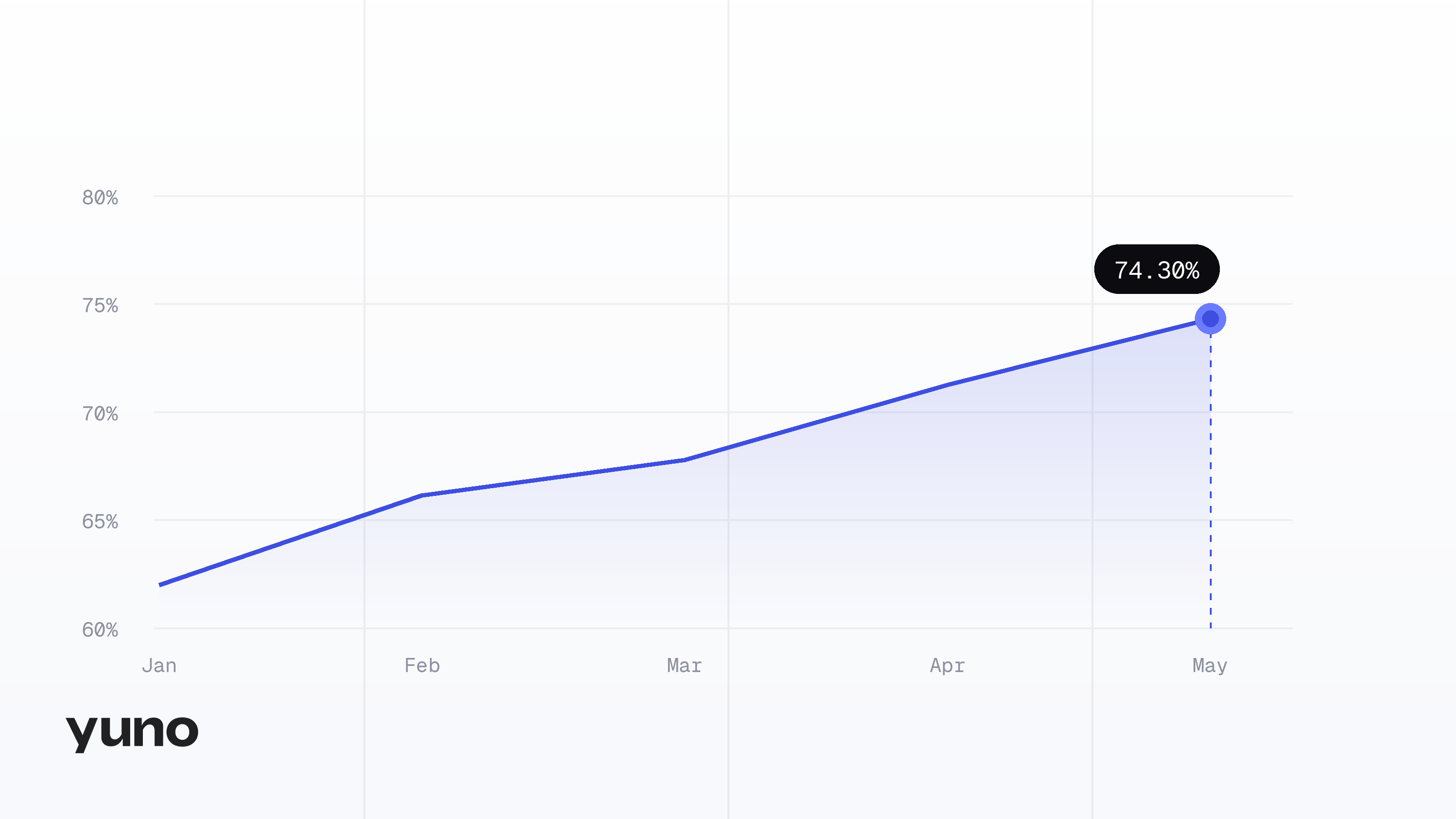
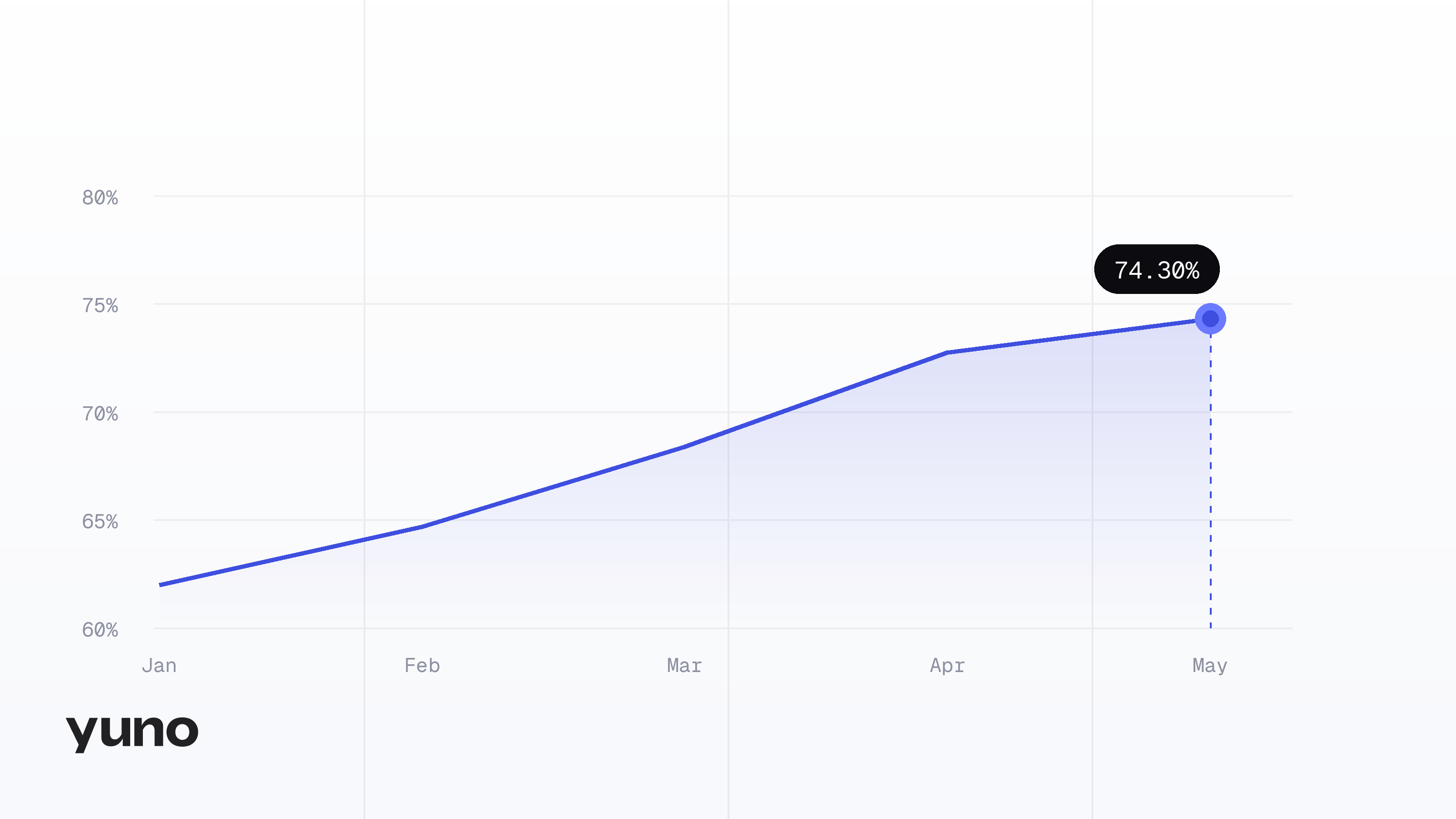
Despite the current growth and digitalization of LATAM's payment ecosystem in recent years, there's still a significant gap to be covered. Payments are not as well orchestrated by the options available in the market, which are too complex and fragmented, making it very difficult for companies to choose their ideal providers. Fraud and low acceptance rates are also a problem in the sector. With around 30% to 40% of transactions denied, merchants lose millions of dollars blocking good customers and paying fraudulent transactions.
This challenge becomes even more significant when the company operates in multiple countries, having to deal with the same scattered problems in other regions. Brazil is an exception worth mentioning, as it is the largest and most advanced economy in Latin America in terms of payment processing. It has alternative payment methods, such as the successful and acclaimed PIX (used by around 71 % of the Brazilian population, according to a Febraban survey). However, this makes it challenging to deal with more payment methods, putting Brazil in a particular position regarding multinational companies in LATAM.
How are companies dealing with these issues?
The conclusion is that businesses must rely on outdated third-party solutions or even resort to creating their own. This can be exhausting for their teams and, above all, costly. Some companies may have their main products as SaaS (Software as a Service), but that does not mean they should maintain such a costly procedure. The smart move here would be to focus their developers and engineers on what matters most for their businesses: their core services.
Nevertheless, payment providers have high fees and negotiation is nonexistent. When negotiation is not an option, businesses must rely on new platforms to keep their business running, which is even more costly.
Customers have an overall terrible experience when paying online. Few payment methods and low acceptance rates play a role here, but the payment process is too slow because merchants rarely save customer payment data.
What to expect from Yuno?
Yuno was founded to be the easiest, fastest, and most secure online payment solution that solves the pain of managing multiple payment methods. To achieve this goal, we understand that our experience makes us fit for it: we have optimized payments in Rappi and created a successful solution for the company.
We offer a low-code environment in our API to increase your team's productivity and, ultimately, your businesses. Not only that, we understand that each client has their own needs, so intuitive and user-friendly interfaces are a relevant part of our product.
We are already working with several large ecommerce companies in Latin America and drastically improving their businesses.